
How much is my bike worth? How to work out the price of a second-hand bike
bicis.net editorial team 2 min read
Price is the biggest factor in whether a bike sells in a week or sits online for months. Ask too much and you scare buyers off; ask too little and you're giving money away. Here's a simple five-step method to set a fair price that sells.
1. Start from the price of an equivalent new bike
Don't use what you paid years ago; use what an equivalent new model costs today: same range, frame material and component level. That's your ceiling: nobody will pay the same for a used bike as for a new one with a warranty.
2. Knock off for age
Bikes lose value fastest in the first few years and then level off. As a rough guide, a one- or two-year-old bike in good condition usually sells well below its new price, and from five or six years on, what counts most is the condition and the frame. Some factors speed up depreciation:
- Outdated standards: rim brakes on road bikes, quick-release axles, 9-speed drivetrains.
- Models the manufacturer has completely redesigned.
- Entry-level ranges, which drop in price more than high-end ones.
3. Adjust for condition
- Like new: no marks, servicing up to date, little use. Price at the top end.
- Good condition: normal signs of use, everything works. Mid-range price.
- Needs work: worn drivetrain, unserviced suspension, knocks. Deduct what it would cost to get it tuned up at a workshop.
Be honest: the buyer will see it when you meet, and an inflated description only wastes everyone's time.
4. Add upgrades (in moderation)
Better wheels, a higher groupset or a new saddle make the bike more attractive, but you rarely get back what they cost you. Count only part of their value at most, and mention them clearly in the listing. If you still have the original parts, offer them: many buyers like that.
5. Compare with the real market
This is the step people forget most. Look for similar bikes (brand, range, year and size) in the listings on bicis.net and check the prices of those posted recently. If yours is well above comparable listings, it will take a while to sell.
- The most common sizes (M and L) sell faster than the extremes.
- Season matters: in spring there are more road and gravel buyers; in autumn, mountain bike buyers.
- Leave a small margin for haggling, around 5–10%, and say clearly if the price is fixed.
A listing that justifies the price
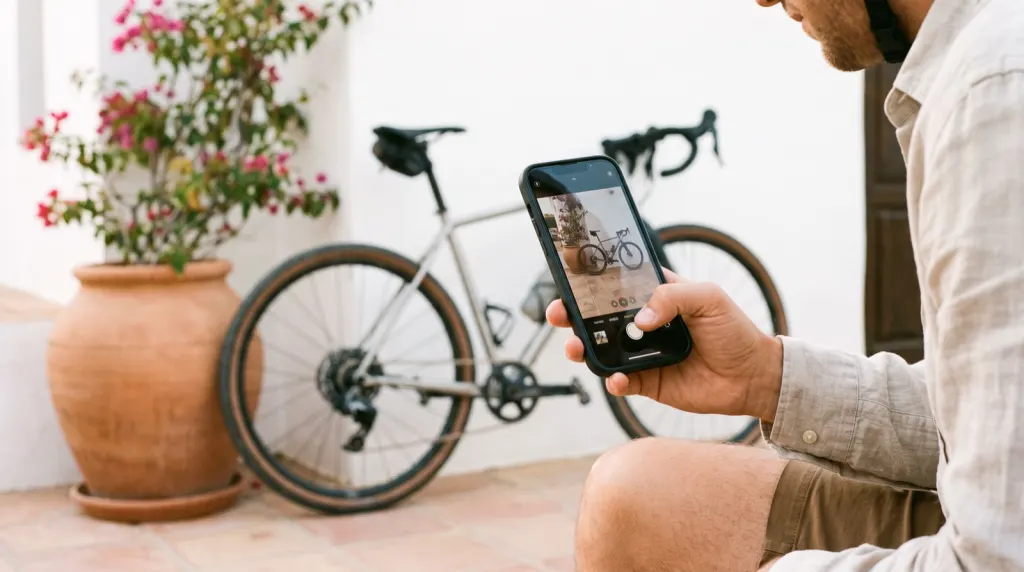
A good price needs a good listing: photos in natural light from both sides and of the drivetrain, full specs, size and recommended rider height, and the service history. You'll find more ideas in how to make your bike irresistible.
Rather not wait?
If you want to sell now, without haggling or meeting buyers, tell us what bike you have and we'll make you an offer. And if you'd rather sell it yourself, posting your listing is free and it never expires.
Comments
What do you think? Create your free account to comment.