
1,336 km with no entry fee: bikepacking routes in Spain you can do on your own
Alberto Martínez Martín, editor of bicis.net 3 min read
In this article
Fancy a long adventure on the bike and assume you have to go to Scotland or the Alps? There are bikepacking routes in Spain that cross sierras, villages and historic tracks, and that you can ride on your own, with no event and no entry fee. The videopodcast Daily Rollo has put together five of these permanent routes, according to Daily Rollo, and here we tell you which ones have public data and what to prepare to set off.
One nuance the episode makes clear: "free" means no participation fee. Getting to the start, eating and sleeping along the way still costs money, so the budget is yours to set with your decisions.
Three bikepacking routes in Spain with a public track
There are options for every taste: crossings of more than a thousand kilometres, routes split into stages and routes with a guide and GPX to download.
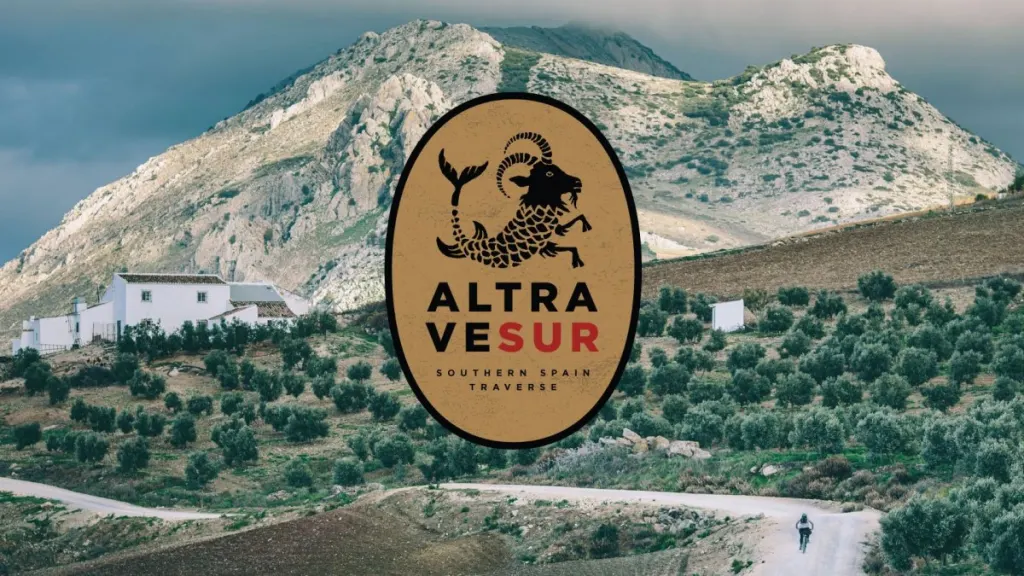
- Altravesur. A great crossing of about 1,336 km from Cádiz to Valencia, linking sierras and tracks across the south. It has a route, map, GPX and guide published on bikepacking.com.
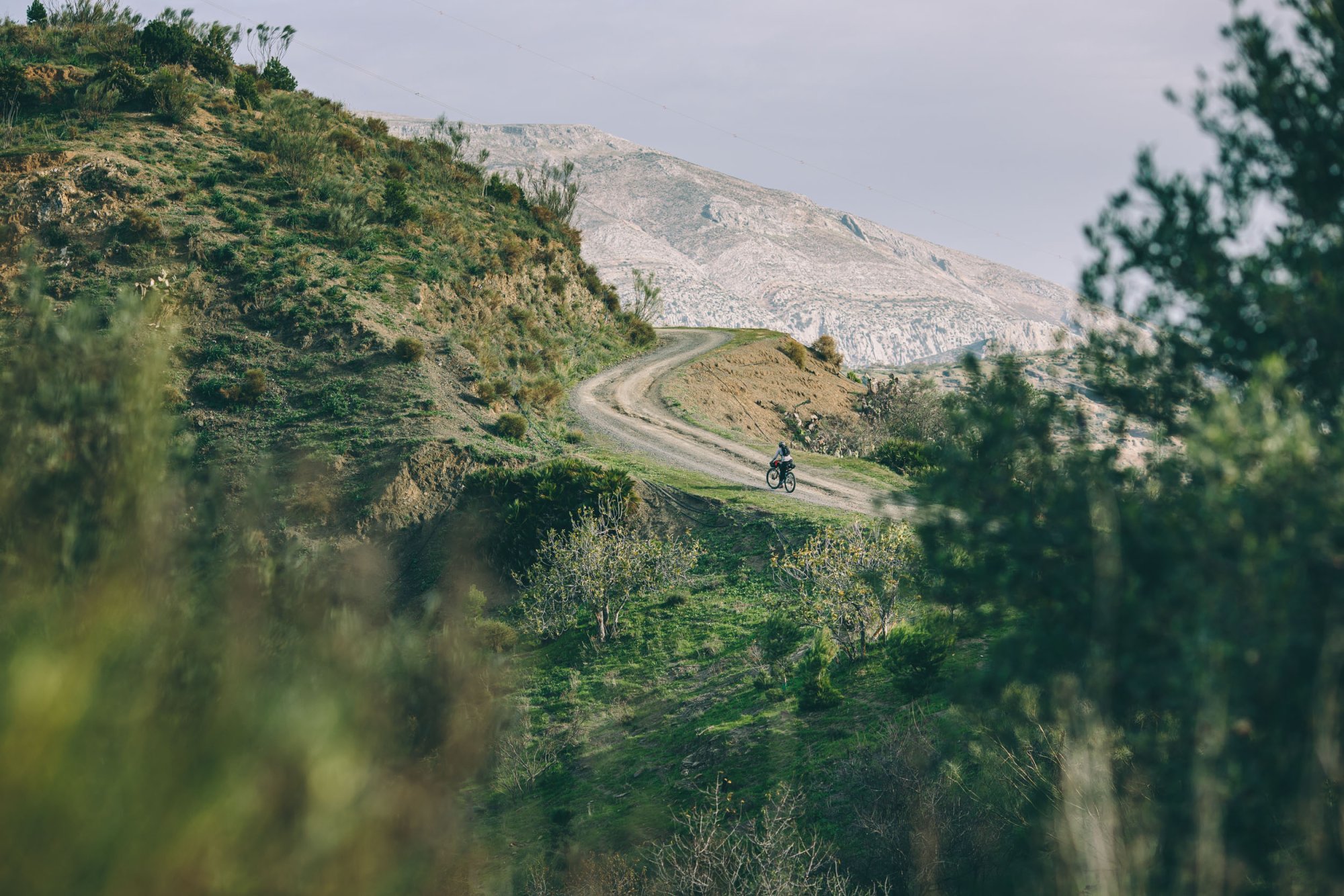
- Camino de Cuatro Sierras. 344 km in five stages, from Lanjarón to Almuñécar, through the Alpujarra and Sierra Nevada until you drop down to the Mediterranean. Its official guide offers the stages and the tracks so you can ride it your way.
- Camino del Cid. A gravel route of about 1,500 km through inland Spain, for those who want a multi-week adventure or to split it into weekend trips.
The episode completes the list with two more routes; if you want the full top five, it is worth listening to.
What "on your own" means for how you ride
Without a race number there are no feed stations, no broom wagon and no start time. That is exactly what makes it great: you choose the date, the pace and how many days you give it. But the planning is also up to you.
- Split the route. A 1,300 or 1,500 km crossing does not have to be eaten in one go. You can do one stretch each long weekend or each holiday.
- Load the GPX and check where to sleep and eat. In mountain areas villages can be far apart; look at the track calmly before you set off.
- Tell someone your plan and carry a margin of water and food in case a stage runs long.
The bike and luggage for a long crossing
For routes like these, which mix tracks, paths and sierras, a gravel bike or a rigid mountain bike are usually the natural choice. If you already have one, you do not need to buy new: with a good service and tyres in good condition it will do to start. And if you are looking for one for this project, the second-hand mountain bikes include very capable rigid bikes for quite a bit less than a new one.
Before loading it, go over the basics:
- Brakes, drivetrain and bearings: what today makes a small noise becomes a breakdown after several days on track.
- Tyres with enough tread and a complete repair kit.
- Bags that do not rub against your legs or wheels. In second-hand accessories you can find bikepacking bags at a good price.
Try the loaded bike on a short ride near home: you will notice how the handling changes on descents and whether anything moves more than it should.
Your next adventure is closer than you think
The best thing about these routes is that they are there all year, waiting for you to decide when. Pick a stretch that motivates you, download the track and prepare the bike: your first bikepacking night may be a weekend away.
Gallery
Sources for this article
- Original story: Daily Rollo (videopodcast) · podcasters.spotify.com
Spotted a mistake? Write to us at info@bicis.net and we’ll fix it. Who writes bicis.net and how we work
El plan del finde, every Thursday
The weather for riding, routes and group rides near you, in your inbox.
When you sign up, tick «I want El plan del finde». One email every Thursday; unsubscribe with one click. Already have an account? Log in
Comments
What do you think? Create your free account to comment.