
Cable, no batteries and no extra cost: the Shimano Deore takes on modern groupsets
Alberto Martínez Martín, editor of bicis.net 3 min read
In this article
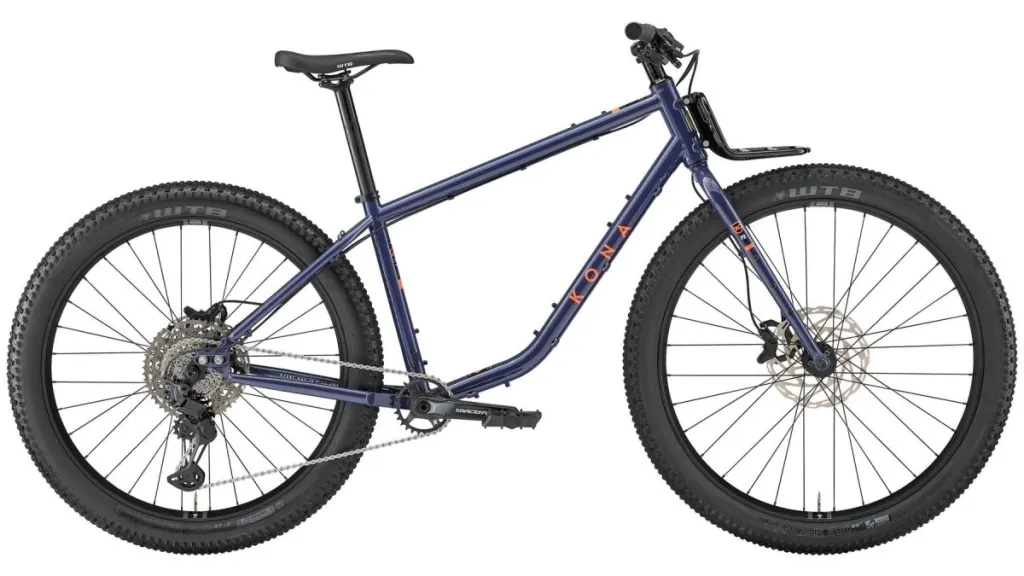
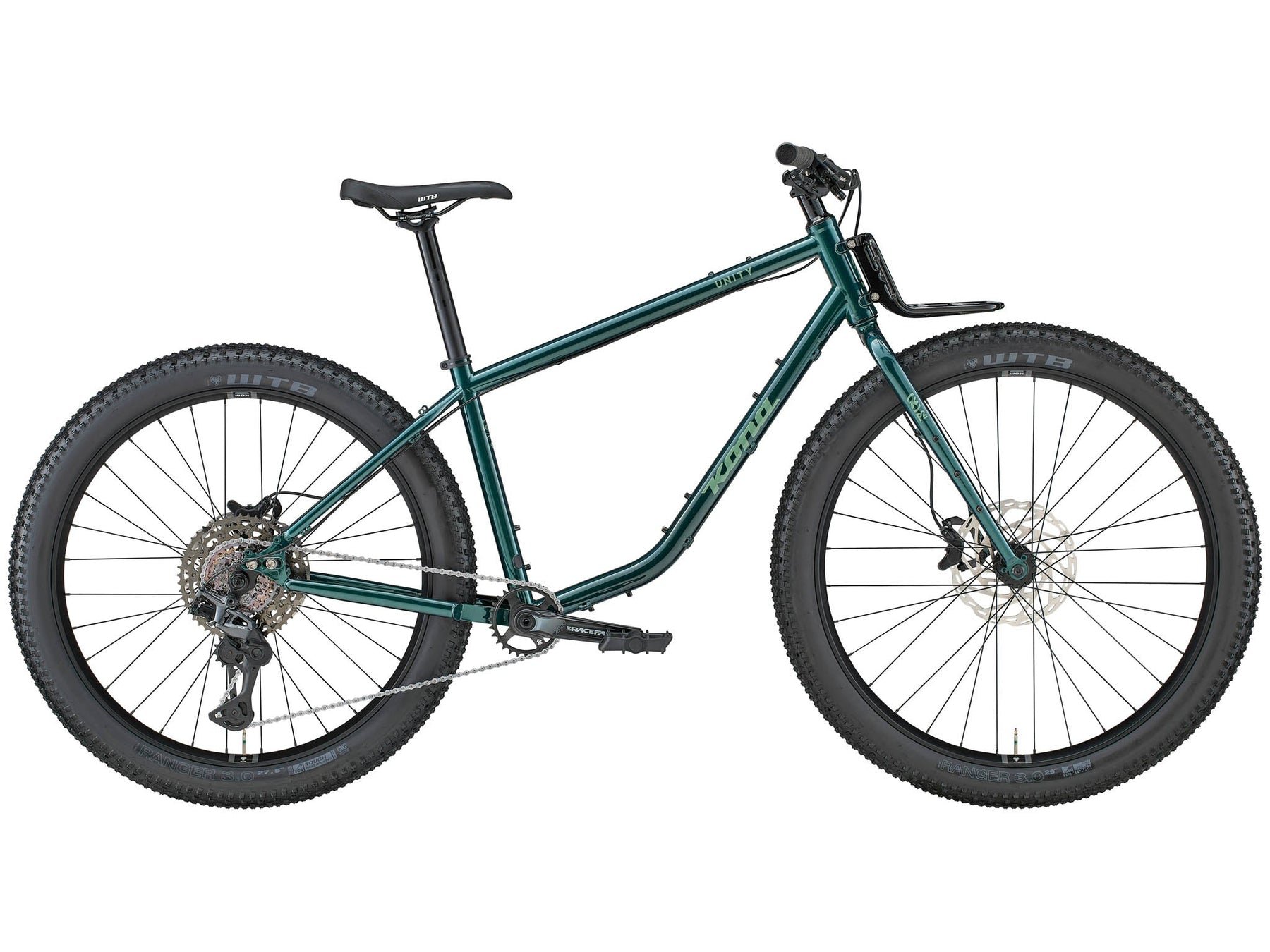
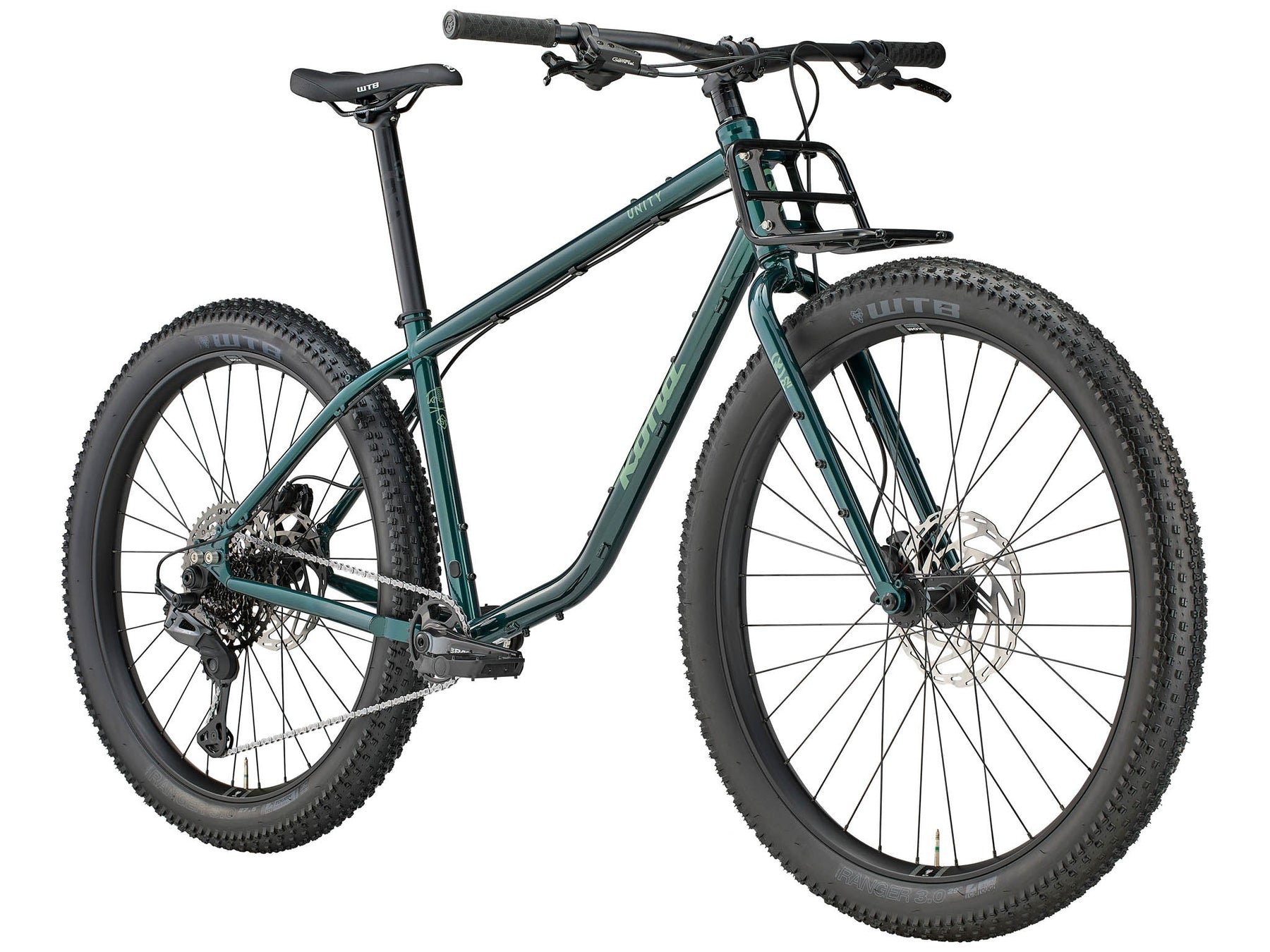
Have you ever wondered whether you really need electronic shifting to enjoy your mountain bike? It's an increasingly common question, and the new Shimano Deore lands right in the middle of that debate: a classic mechanical groupset put to the test to see whether it can compete with the most modern systems. The review is by Neil, who rode it through a demanding test period, according to Bikepacking.com, with a very direct question in the headline: why pay more?
Why mechanical groupsets are back in the spotlight
A few years ago, electronic shifting grabbed all the headlines. Today the picture is different. The outlet explains that two things are pushing many riders towards mechanical: a certain resistance to new technology and prices that keep on rising.
It makes sense when you think about how you ride. A cable groupset doesn't depend on batteries, doesn't need an app and can be adjusted with tools you probably already have at home. If you head out on multi-day trips, go bikepacking or simply want a bike that works without surprises, that simplicity is worth something in itself.
Shimano Deore: what it means for your mountain bike
Deore has always been the go-to range for many MTB riders: the point where performance gets serious and the price is still reasonable. The fact that a long test pits it directly against other modern groupsets says a lot about where the market is heading.
In practice, this affects you in several ways:
- If you're buying a new bike, a Deore build can be a sensible choice compared with pricier versions, especially if your priority is riding rather than having the latest tech.
- If you're looking for a used bike, a mechanical groupset is easier to check and maintain than an electronic one: there's no battery to degrade and no firmware to update.
- If you travel far with your bike, you'll find a gear cable in almost any workshop, and that's reassuring.
If you want to upgrade your build bit by bit, the second-hand components section has parts to refresh your drivetrain without changing bikes.
What to check on a mechanical groupset before you buy
The great thing about mechanical is that almost everything is visible at a glance. If you're looking at a bike with a cable groupset, check these:
- Chain: measure its wear with a chain checker. A stretched chain eats through the cassette and chainrings.
- Cassette and chainring: sharp or shark-fin-shaped teeth mean it's time to replace them.
- Cable and housing: if the shifting feels stiff or is slow to move up a sprocket, it may just need a new cable, a cheap fix.
- Derailleur hanger: look at it from behind; if it's bent, the shifting will never be crisp.
- Shifter: it should make every shift with a clean click, with no odd play.
With these checks you'll know whether the drivetrain is ready to ride or whether you need to add a service to the price.
Ride more and spend wisely
The underlying message is a positive one: you don't need to go for the most expensive option to have a bike that shifts well and keeps you company for many kilometres. A well-adjusted mechanical groupset is still one of the most reliable ways to enjoy the mountains, and it leaves you room to invest in what you really notice, like good tyres or a suspension service.
If you fancy a simple, reliable MTB, take a look at the second-hand mountain bikes. And if yours is gathering dust in the storeroom, you can post your listing for free and let it ride again with someone else.
Gallery


Sources for this article
- Original story: Bikepacking.com · bikepacking.com
Spotted a mistake? Write to us at info@bicis.net and we’ll fix it. Who writes bicis.net and how we work
Comments
What do you think? Create your free account to comment.