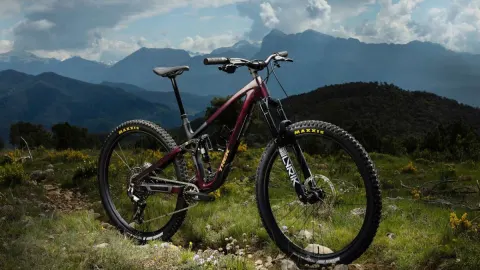

Top marks from Virginia Tech and a strap that falls short: how the Canyon Deflectr MTB helmet fares
Alberto Martínez Martín, editor of bicis.net 3 min read
In this article
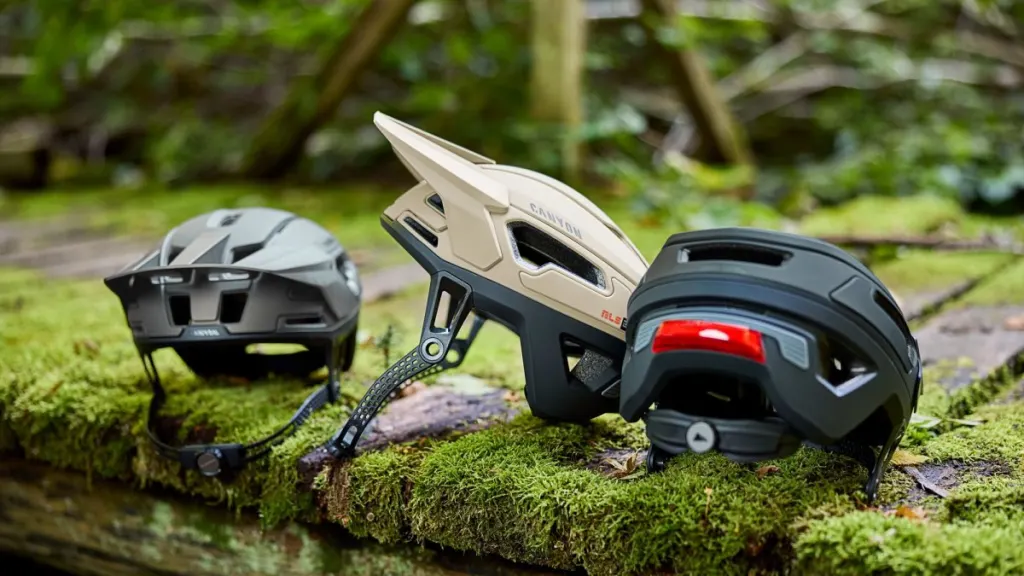
When you choose an MTB helmet for trail riding you're after two things that don't always go together: real protection if you hit the ground, and forgetting you're wearing it after three hours on singletrack. The new Canyon Deflectr has just been put through a thorough test and the result is clear: it excels at the first and stumbles on the second.
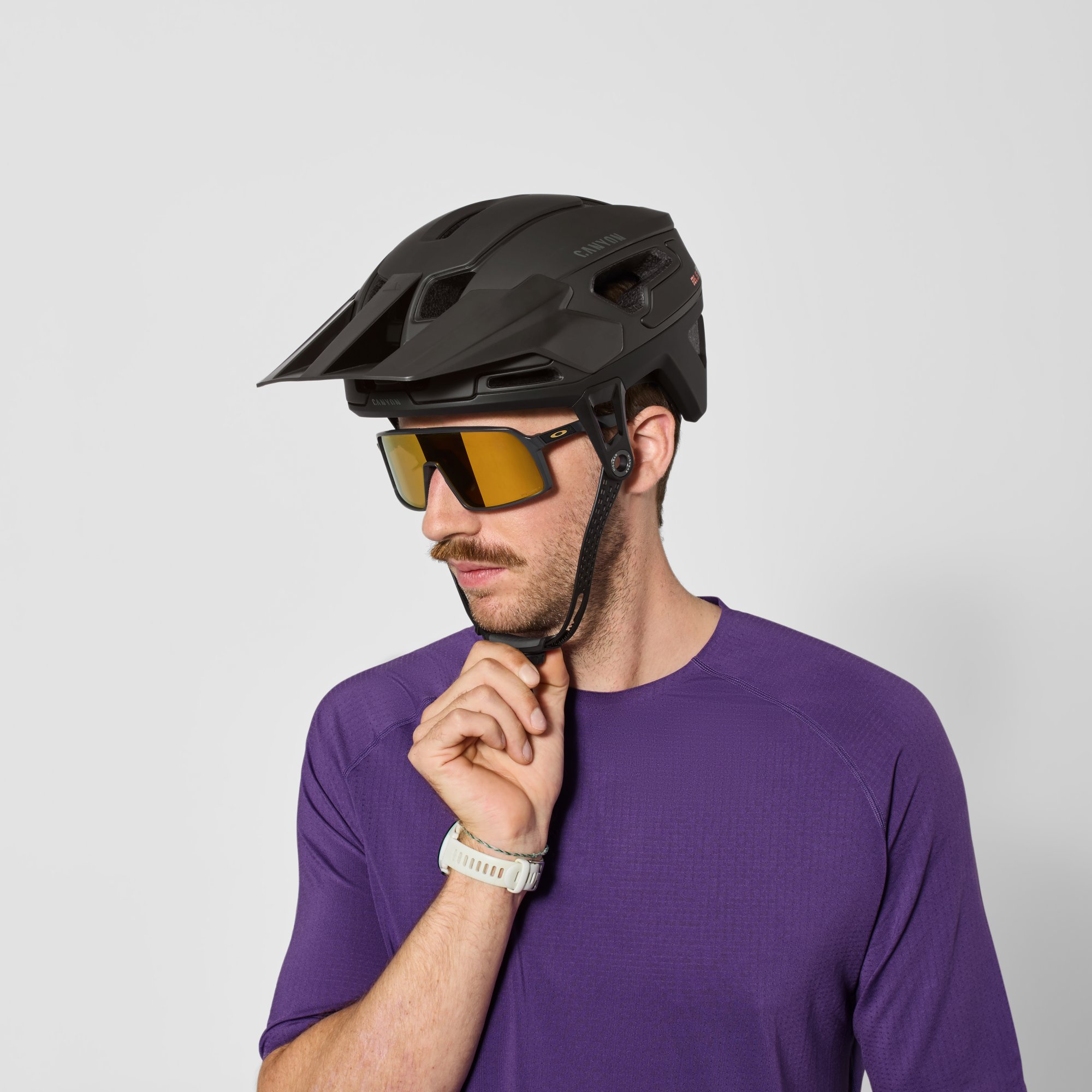
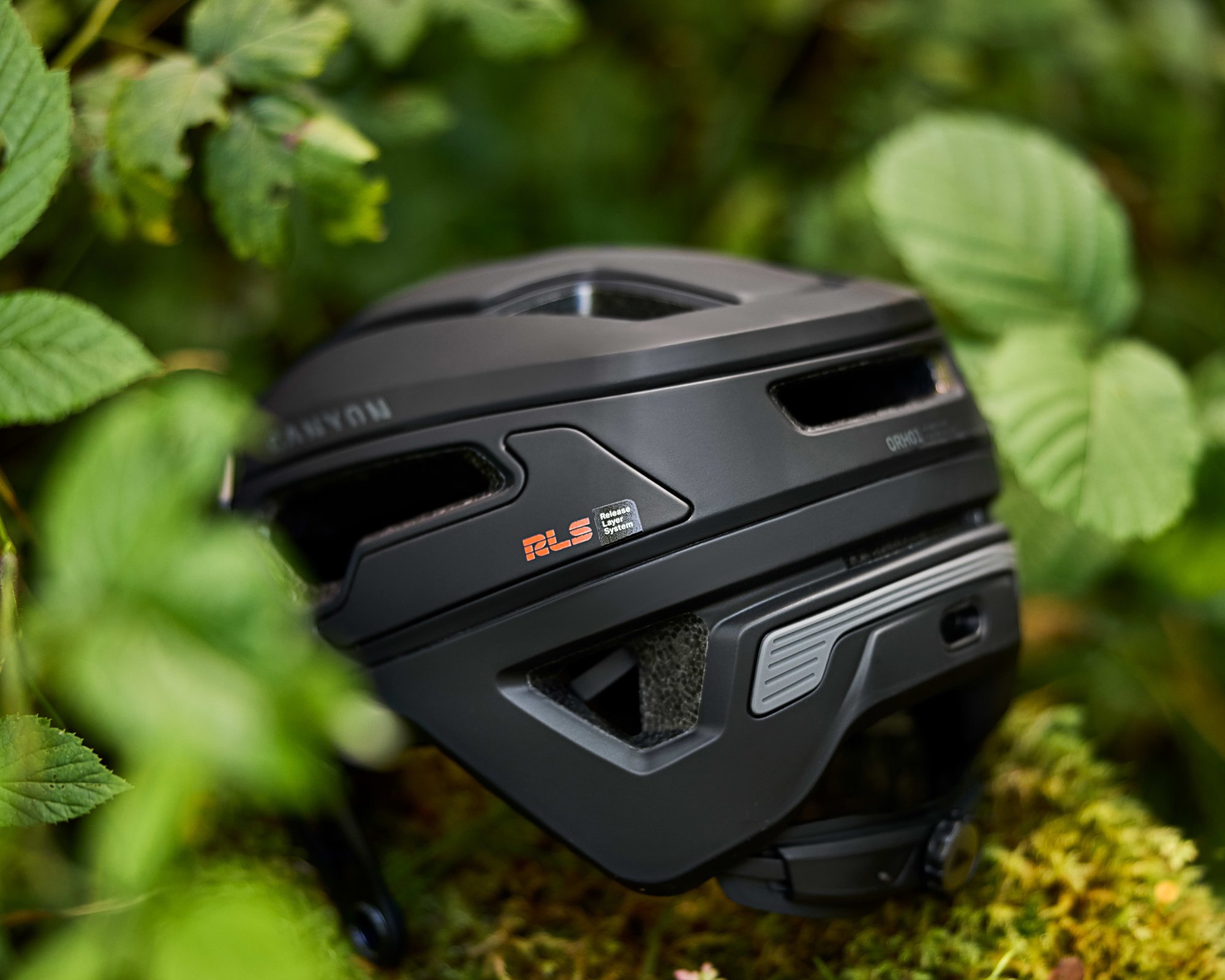
According to Escape Collective, the Deflectr has a rotational impact protection system that scores highly in the Virginia Tech tests. The catch is the HighBar chin strap, Canyon's own design, which causes comfort problems and ends up dragging down the final rating.
What the Canyon Deflectr MTB helmet does well
The most important thing about a helmet is what happens in a crash, and there the Deflectr delivers. Its rotational system is designed to reduce the twisting forces your head takes when the impact comes at an angle, which is usual off-road: you rarely fall straight, you almost always graze, bounce or slide.
The Virginia Tech tests are an independent benchmark many cyclists check before buying, because they compare helmets from different brands using the same lab protocol. The Deflectr coming out well there is a good sign if you ride trail and want extra peace of mind on the descents.
The weak spot: the HighBar strap
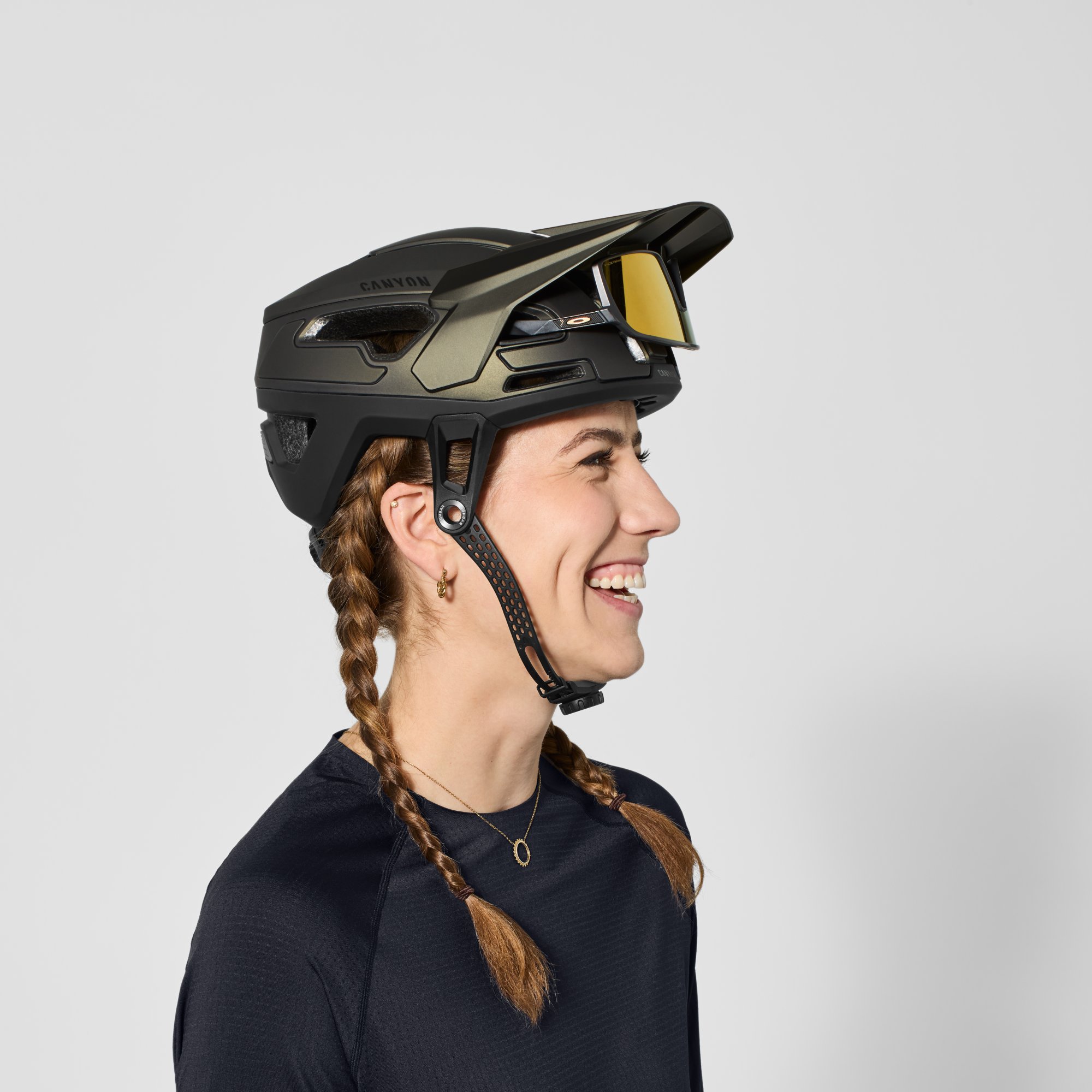
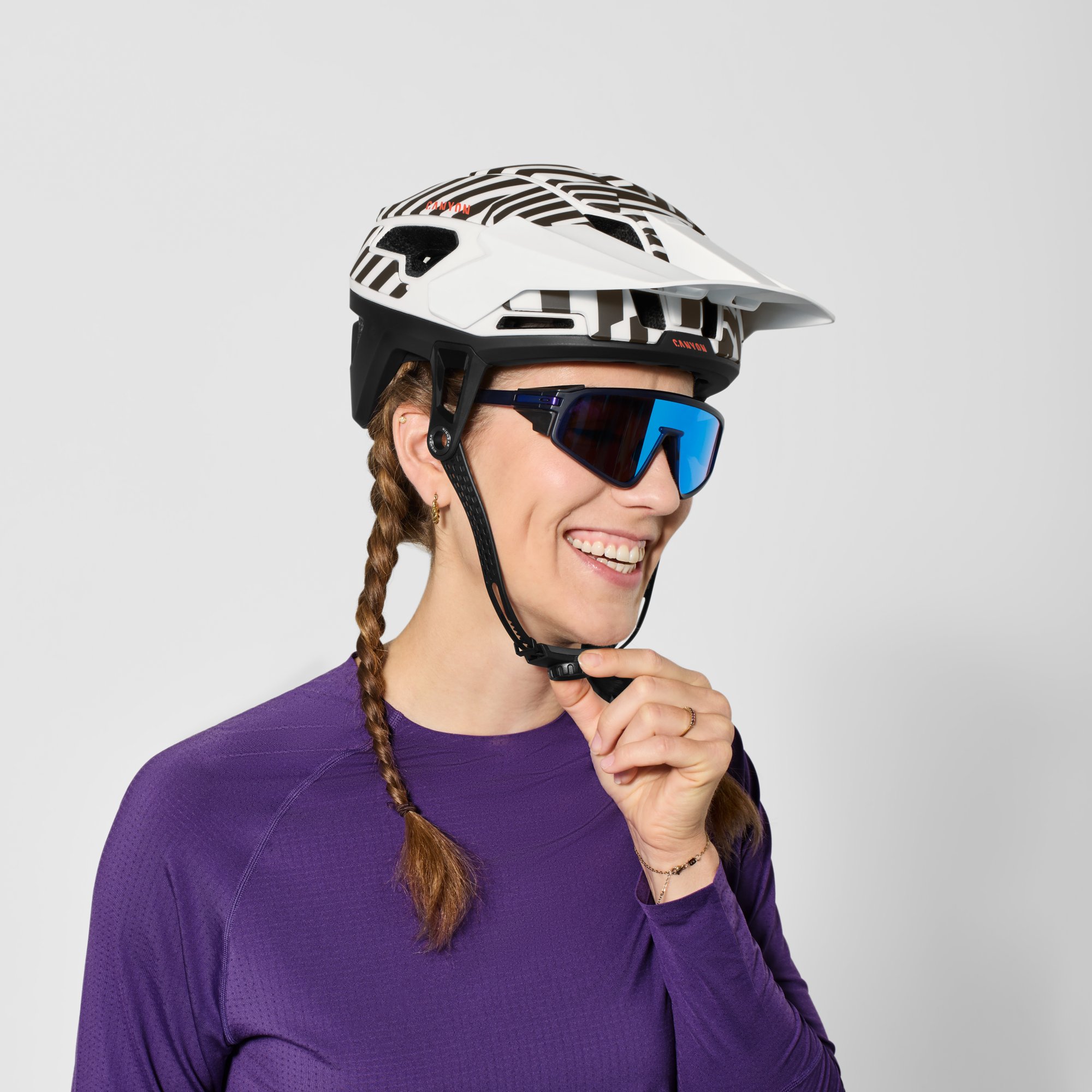
The flip side is the fit under the chin. The review points out that the HighBar strap takes away comfort, and that's no small detail. A strap that rubs, pinches or won't stay put bothers you on every ride and, worse still, can lead you to wear it loose, which is exactly what you don't want if the helmet has to do its job in a crash.
This is where something very personal comes in: the shape of the face and neck varies a lot from one person to another. What bothers one rider may fit another just fine. That's why, with a helmet like this, trying it on before you buy makes even more sense.
What to check before buying your trail helmet
Whether or not the Deflectr makes your shortlist, these checks will help you get any mountain bike helmet right:
- Rotational protection: see which system it uses and check results from independent labs such as Virginia Tech.
- Strap and buckle: adjust it with the helmet on and move your jaw, talk and look up as if you were on the bike. It shouldn't rub or pinch.
- Rear fit: the helmet shouldn't wobble when you move your head with the strap undone.
- Compatibility with your glasses: check the arms don't clash with the helmet.
- Condition if second-hand: if you buy it second-hand, make sure it hasn't taken any knocks; a helmet that has absorbed an impact no longer protects the same way.
And a tried-and-tested tip: do a short ride before you settle on any new helmet. Comfort problems show up in the second hour, not in the fitting room.
Who it makes sense for
If protection matters most to you and the strap fits you well, the Deflectr has strong arguments. If your face is sensitive to rubbing or you do very long rides, it's worth comparing with other models before deciding.
If you're refreshing your kit for autumn, take a look at the second-hand cycling accessories and second-hand mountain bikes on bicis.net. And if you've got something spare in the garage, you can post your listing for free and give it a second life.
Gallery
Sources for this article
- Original story: Escape Collective · escapecollective.com
Spotted a mistake? Write to us at info@bicis.net and we’ll fix it. Who writes bicis.net and how we work
Comments
What do you think? Create your free account to comment.