
10 mistakes when buying a second-hand bike (and how to avoid them)
bicis.net editorial team 4 min read
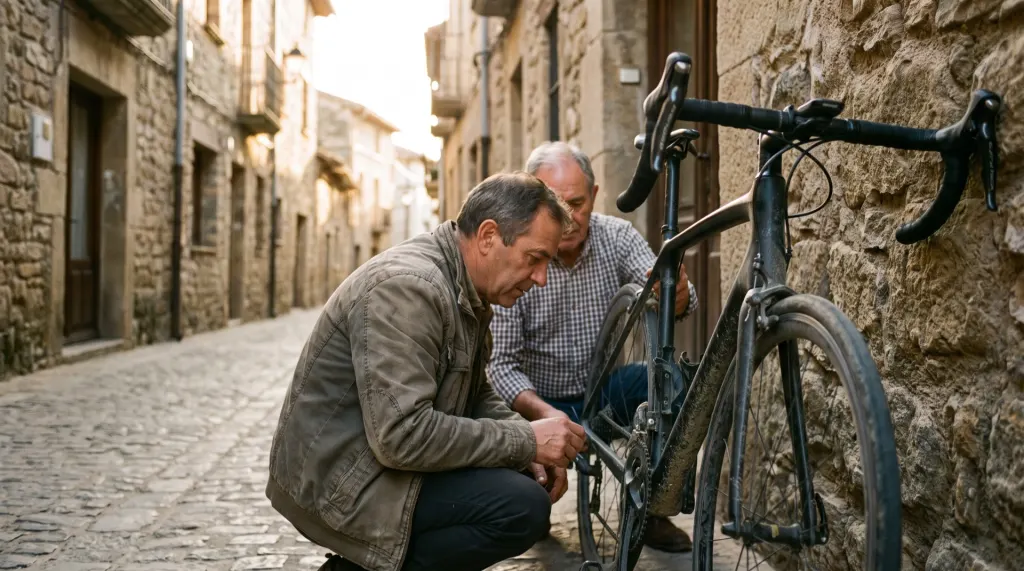
A second-hand bike can be the best deal of your life or a money pit. The difference is almost never luck; it's ten minutes of checks that most people skip because they're in a hurry or excited about finding "the one".
These are the ten mistakes that cost the most money, and how to avoid each of them.
1. Buying without checking the size
It's mistake number one. A bike in the wrong size will never be comfortable, however good it is. Before you look at listings, know your size from your height and inside leg, and when you go to see the bike, get on it: with your feet on the ground there should be some clearance above the top tube, and reaching the handlebar shouldn't make you overstretch.
2. Trusting the photos alone
Photos won't show a hairline crack, a loose hub or a noisy drivetrain. Always meet in person and, if you can, test-ride the bike for a few minutes: go through all the gears, brake hard and listen.
3. Not going over the frame with a fine-tooth comb
The frame is the one thing you can't replace cheaply. In good light, check the tube junctions, the bottom bracket area, the stays and the head tube.
- Aluminium and steel: look for cracks, dents and rust on the welds.
- Carbon: look for cracks in the paint and matt or repaired areas, and tap gently with a coin: a dull sound that differs from the rest can point to delamination.
4. Ignoring drivetrain wear
A stretched chain eats the cassette and chainrings. With a chain checker (it costs a few euros) you'll know in seconds if it's worn. Look at the teeth on the sprockets and chainrings too: if they look like "shark fins", they need replacing. A full drivetrain can cost hundreds of euros, so knock that off the price.
5. Not testing the brakes
On disc brakes, check that the levers don't pull all the way to the handlebar and that the rotors aren't scored or too thin. On rim brakes, look at the wear on the pads and on the rim itself. A "spongy" hydraulic brake usually needs bleeding.
6. Overlooking the wheels
Spin each wheel: it should run true, with no rubbing or noises. Rock the wheel from side to side to detect play in the hubs, and squeeze the spokes in pairs to feel whether any are loose. Check the tyres too: new ones are another expense.
7. Forgetting about the suspension (on MTBs)
An unserviced fork or shock can mean a costly service. Compress the suspension firmly: it should move smoothly, with no harsh knocks, no oil leaking from the seals and no play when you brake with the front wheel locked. Ask when it was last serviced.
8. Not asking for the receipt or checking the serial number
The serial number is usually stamped under the bottom bracket. Ask the seller for the receipt or some proof of purchase, and be wary if the number has been scratched off. You can check bike registers such as Biciregistro and ask the seller for a signed sale agreement: it protects both of you.
9. Paying in advance
It's the most common scam: a very cheap bike and a seller who's "away" and asks you for a deposit to reserve it. Never send money before you've seen the bike. Meet in person, try it and pay on collection, ideally with a method that leaves a trail.
10. Not budgeting for a tune-up
Even a bike in good condition usually benefits from a service: gear adjustment, cables, pads, suspension pressure. Set aside part of your budget for it and negotiate the price with that in mind.
The quick checklist to keep on your phone
| What to check | Warning sign |
|---|---|
| Size | You feel stretched out or cramped |
| Frame | Cracks, dents, lifting paint |
| Drivetrain | Stretched chain, "shark fin" teeth |
| Brakes | Lever reaches the handlebar, scored rotors |
| Wheels | Rubbing, play in the hubs, loose spokes |
| Suspension | Harsh knocks, oil on the stanchions |
| Paperwork | No receipt and an illegible serial number |
| Payment | You're asked for a deposit before seeing it |
Ready to start looking? Begin with all the second-hand bike listings and set up an alert so we let you know when yours turns up.
Frequently asked questions
What matters most when buying a second-hand bike?
That it's your size and the frame is in perfect condition. Everything else (drivetrain, brakes, wheels) can be replaced; a damaged frame or one in the wrong size can't.
How do I know if a second-hand bike is stolen?
Ask for the receipt or proof of purchase, check that the serial number under the bottom bracket hasn't been tampered with, look it up in bike registers such as Biciregistro, and be wary of prices that are too low or sellers in a hurry.
Is it safe to buy a used carbon bike?
Yes, if you check it carefully or have a workshop look at it. Carbon is very strong, but a knock can damage it inside without any visible sign. Look for cracks and repaired areas, and do the coin-tap test.
Comments
What do you think? Create your free account to comment.