
Cycling groups: how to find yours among 2,098 clubs
Alberto Martínez Martín, editor of bicis.net 5 min read
In this article
Riding on your own is great, but some days you fancy a chat, a wheel to sit on and someone who knows the Sunday loop. That's what cycling groups are for: groups that ride together regularly, almost always linked to a club, a shop or a long-standing meeting point. Here's how to find yours, what to ask before you go and how to make your first ride go well.
What a cycling group is and the types you'll find
A cycling group rides together, with a fixed start point and time and a more or less known pace. You don't need to race or hold a licence to join most of them. What changes from one to another is the pace, the discipline and the atmosphere.
- Club groups. They ride at weekends from a fixed spot and usually have several groups by level. It's the easiest way in: the club tells you which one suits you.
- Shop groups. Many shops and workshops organise a weekly ride from their door. A good place to meet people from your neighbourhood.
- Open groups. Long-standing meet-ups at a roundabout, a bar or a petrol station, with no club behind them. They tend to go faster and don't wait: better once you've got some miles in your legs.
- Mountain bike and gravel groups. They meet at the start of a track or in a village, and the pace is set more by the terrain than by speed.
Where there are the most clubs: the data
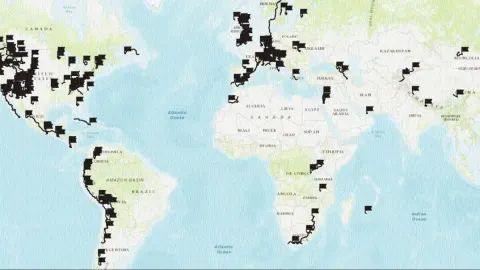
The bicis.net club directory lists 2,098 clubs (data as of 23 October 2026). They come from the official registers of sports organisations in Catalonia, the Comunidad de Madrid and Castilla y León, from the Federació Andorrana de Ciclisme and from clubs that sign up on the website. That's why these provinces lead the way: in the rest of Spain the directory grows every week with the clubs that join.
| Province | Clubs | Road clubs | Mountain bike clubs |
|---|---|---|---|
| Barcelona | 687 | 687 | 201 |
| Madrid | 434 | 216 | 76 |
| Tarragona | 182 | 182 | 72 |
| Girona | 174 | 174 | 41 |
| Lleida | 121 | 121 | 30 |
| León | 91 | 77 | 77 |
| Valladolid | 84 | 59 | 59 |
A club counts in every discipline it practises, so the columns don't add up. Source: Ciclismo en cifras, bicis.net, data as of 23 October 2026.
How to find your cycling group step by step
1. Search by your area and your discipline
Go to the club directory and filter by your province. Check which disciplines each club does: road, mountain bike, gravel, cyclocross or track. If you live in Barcelona you've got 687 clubs to choose from; in Madrid, 434. Pick two or three close to home, because the group that's handy is the one you end up riding with.
2. Ask before you go
Email or call the club and ask what really matters to you:
- Where and what time they start, and on which days.
- Whether they have an easy or «Sunday» group for newcomers.
- Whether they wait on the short climbs and at junctions, or everyone rides at their own pace.
- Whether you can try it without being a member and whether you need insurance or a licence.
3. Go and try an easy day
Choose the gentlest ride, introduce yourself when you arrive and say it's your first day. That's normal: almost every group has someone who acts as a guide and looks after newcomers.
4. Check the events in your area
Sportives are another way to meet cycling groups: many clubs organise them or ride them together. Have a look at the events calendar and you'll see which clubs are active near you.
Your first group ride
Group riding has its rules, and knowing them helps everyone ride more relaxed.
- Be self-sufficient. Carry a tube or repair kit, a pump, water, something to eat and a charged phone. Nobody expects you to fix someone else's puncture, but they do expect you to fix your own.
- Ride straight and brake smoothly. Hold your line, don't surge and brake gradually. The rider behind trusts what you do.
- Call things out. Point out potholes, stones and braking with your hand, and call out cars coming. It's what a group appreciates most.
- Take your turn on the front when it's your go. If you're struggling, say so and stay on the wheel. Nobody will ask you to pull if you can't.
- Respect the road. Two abreast at most when the road allows it, single file in traffic or on bends, and traffic lights and stop signs like any other vehicle.
- The mid-ride coffee counts too. It's where you really get to know people.
With autumn, many rides start chilly or finish in low light. Check what to wear for riding in November and take lights even if you set off in daylight.
Club, shop or open group: which one suits you
If you're starting out or coming back after a while, a club with groups by level is the most comfortable option: someone waits for you and you learn the rules without pressure. If you already ride comfortably and want to push, an open group will give you pace. And if mountain biking or gravel is your thing, look for clubs with those disciplines: in León, for example, 77 clubs do mountain biking.
There's no perfect group first time round. Try two or three, stick with the one that makes you come back the following Sunday and, once you feel confident, invite someone else along to the next ride.
Frequently asked questions
What is a cycling group?
It's a group of cyclists who ride together regularly, with a fixed start point and time. It's usually linked to a club, a shop or a long-standing meet-up.
How do I find a cycling group near me?
Look for clubs in your province and your discipline in the bicis.net directory, which lists 2,098 clubs as of 23 October 2026, and ask two or three about their easiest ride.
Do I need a federation licence to ride with a group?
You don't usually need a licence to go out riding, although some clubs ask you to become a member or have insurance after a few trial rides. Ask before you go.
What should I take on my first group ride?
A tube or repair kit, a pump, water, something to eat, a charged phone and lights. The idea is that you can sort out a puncture yourself without stopping the whole group.
What if I can't keep up?
Say so at the start and ask for the gentlest ride. In a good group there's always someone who stays with whoever is struggling, and nobody will ask you to take a turn on the front if you can't.
Spotted a mistake? Write to us at info@bicis.net and we’ll fix it. Who writes bicis.net and how we work
Comments
What do you think? Create your free account to comment.