
Neither road nor gravel: the Moots County Line all-road bike tidies up the range
Alberto Martínez Martín, editor of bicis.net 3 min read
In this article
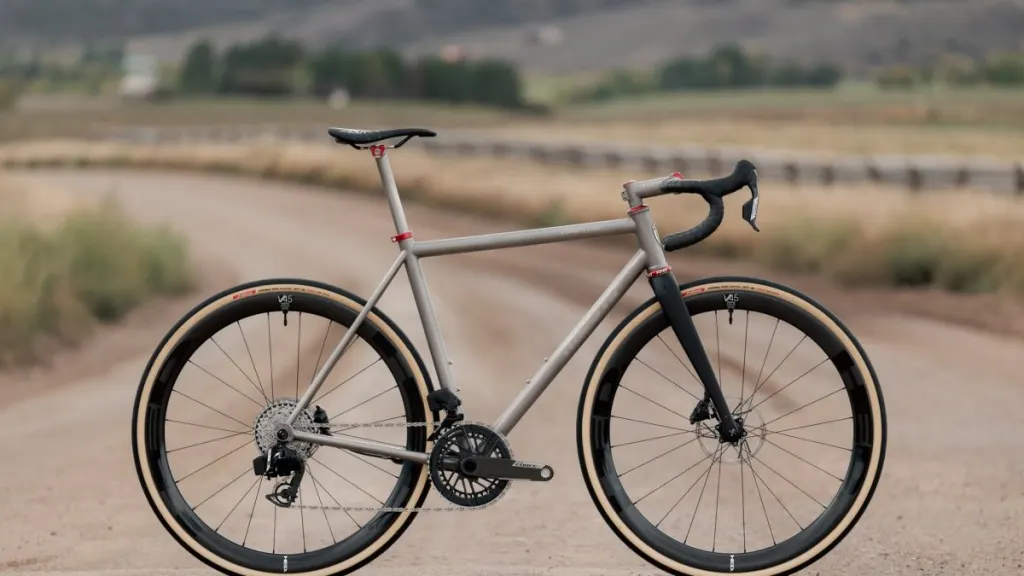
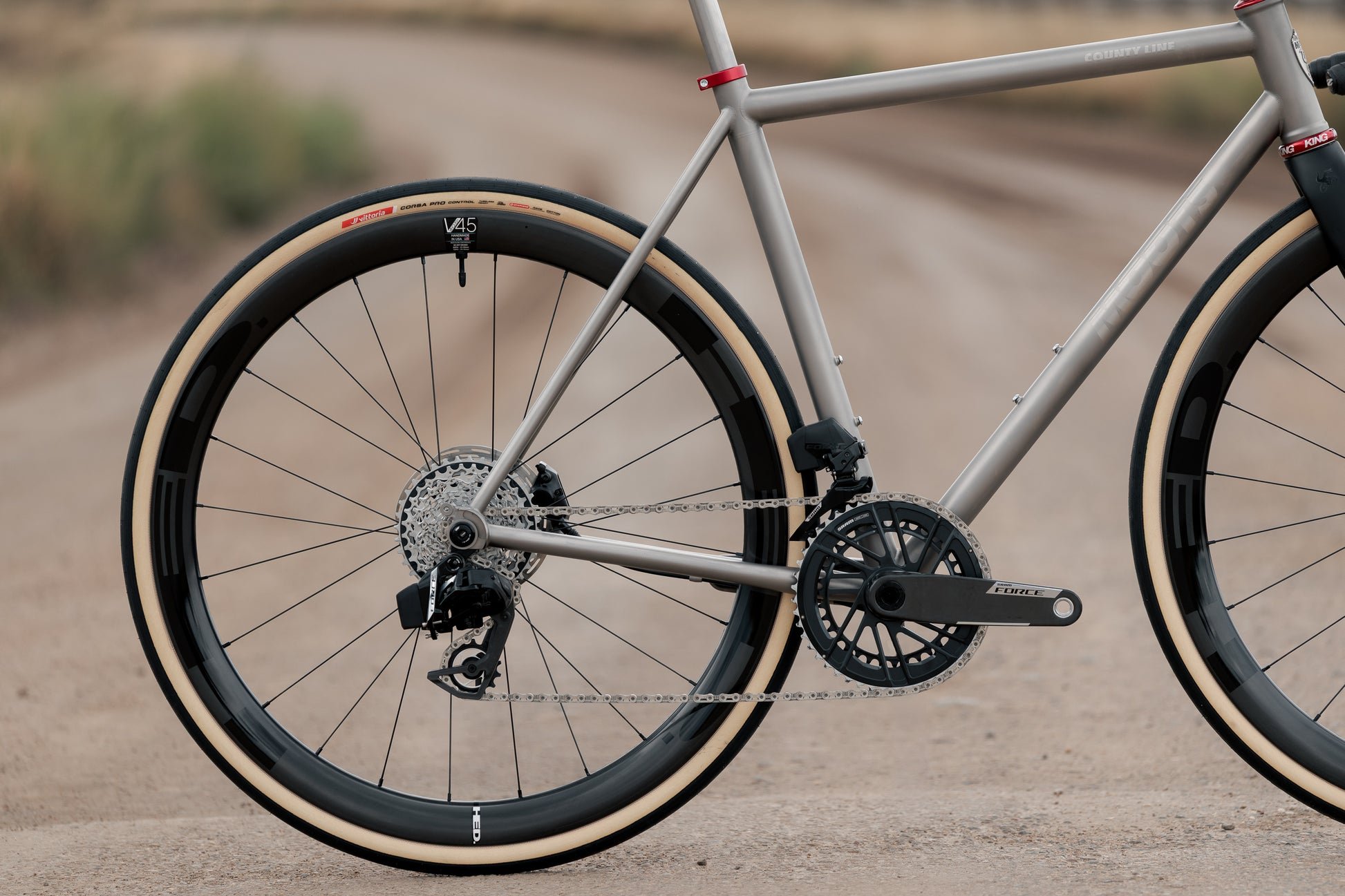
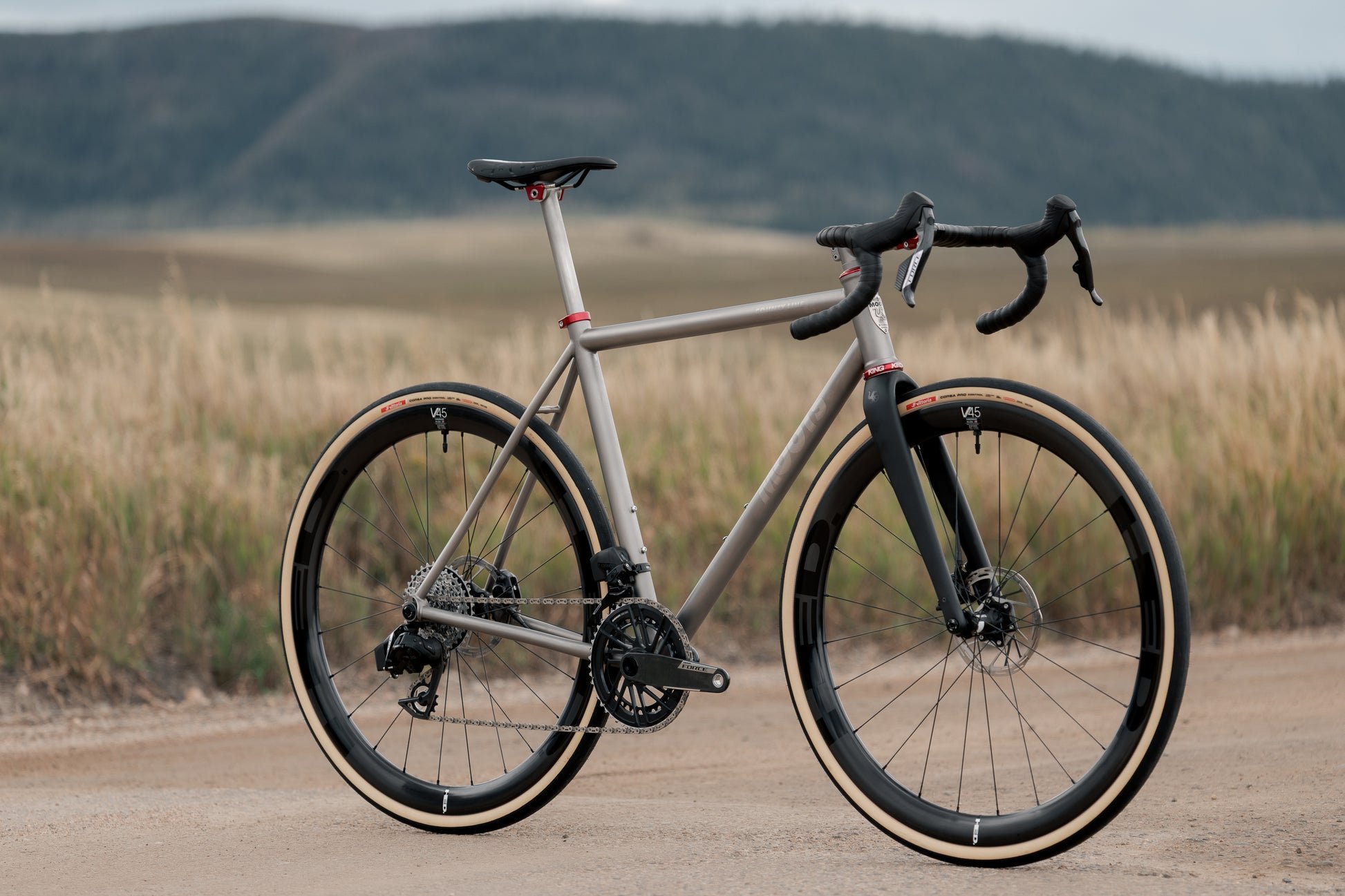
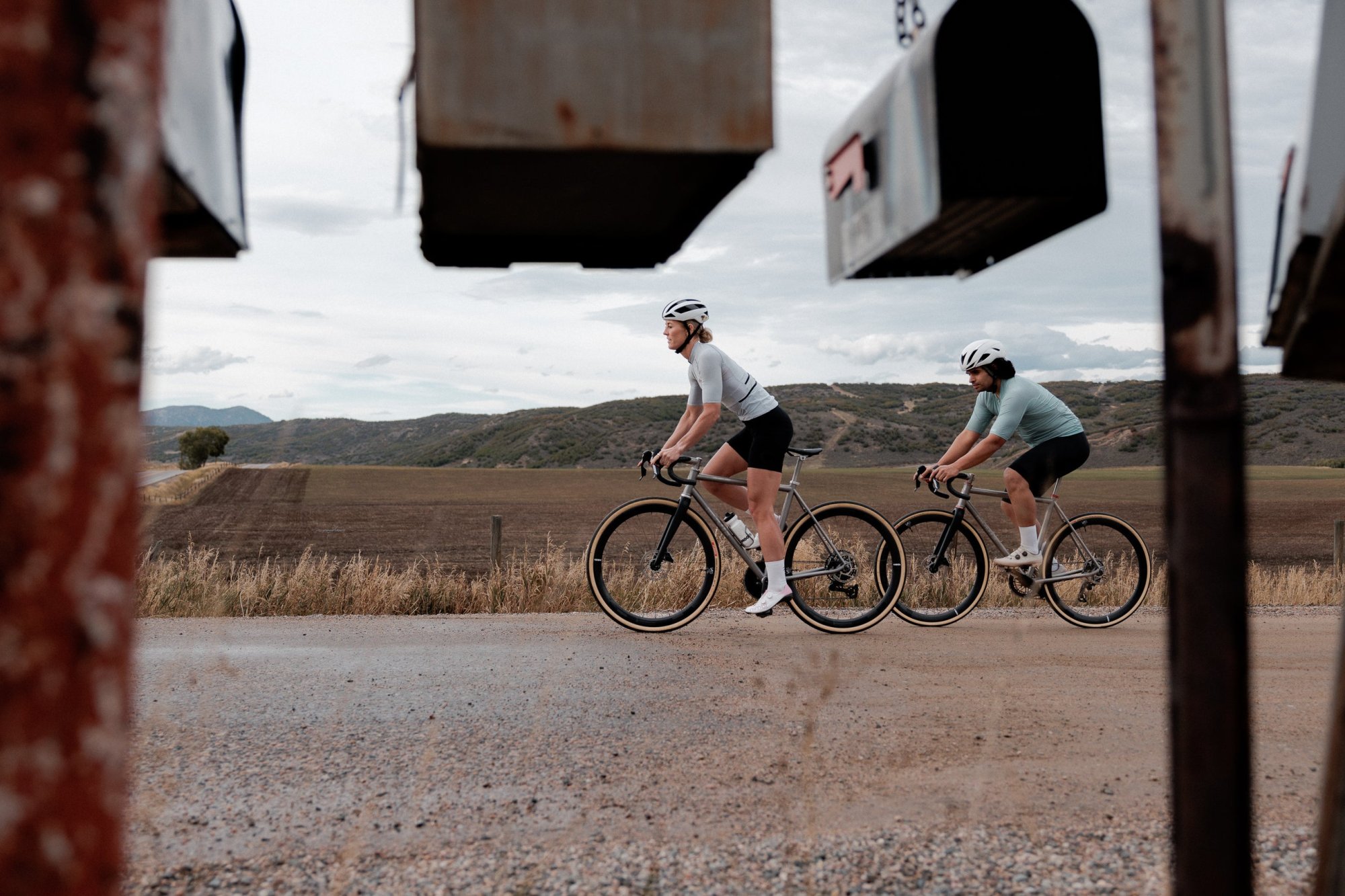
If your rides start on tarmac, carry on along a pothole-ridden road and finish on a dirt track, you've probably wondered which bike suits you best. That terrain belongs to the all-road bike, and Moots, the American brand known for its titanium frames, has just unveiled the County Line to cover it, according to Escape Collective.
The news isn't just one more model. Above all, it's a way of clarifying a range that was hard to understand until now.
Why Moots needed its own all-road bike
Until now the brand split its drop-bar bikes into two families: the Vamoots line, designed for tarmac, and the Routt, its gravel bikes. The problem lay within the first one: there were three different Vamoots, from the race-oriented Vamoots CRD to the all-road style Vamoots 33.
As the outlet points out, the name of the latter was misleading, because it didn't match the tyre size it could actually take. The result: choosing within the range was more complicated than it needed to be. With the County Line, mixed-terrain riding gets its own name and each family is more clearly defined.
What it means for the way you ride
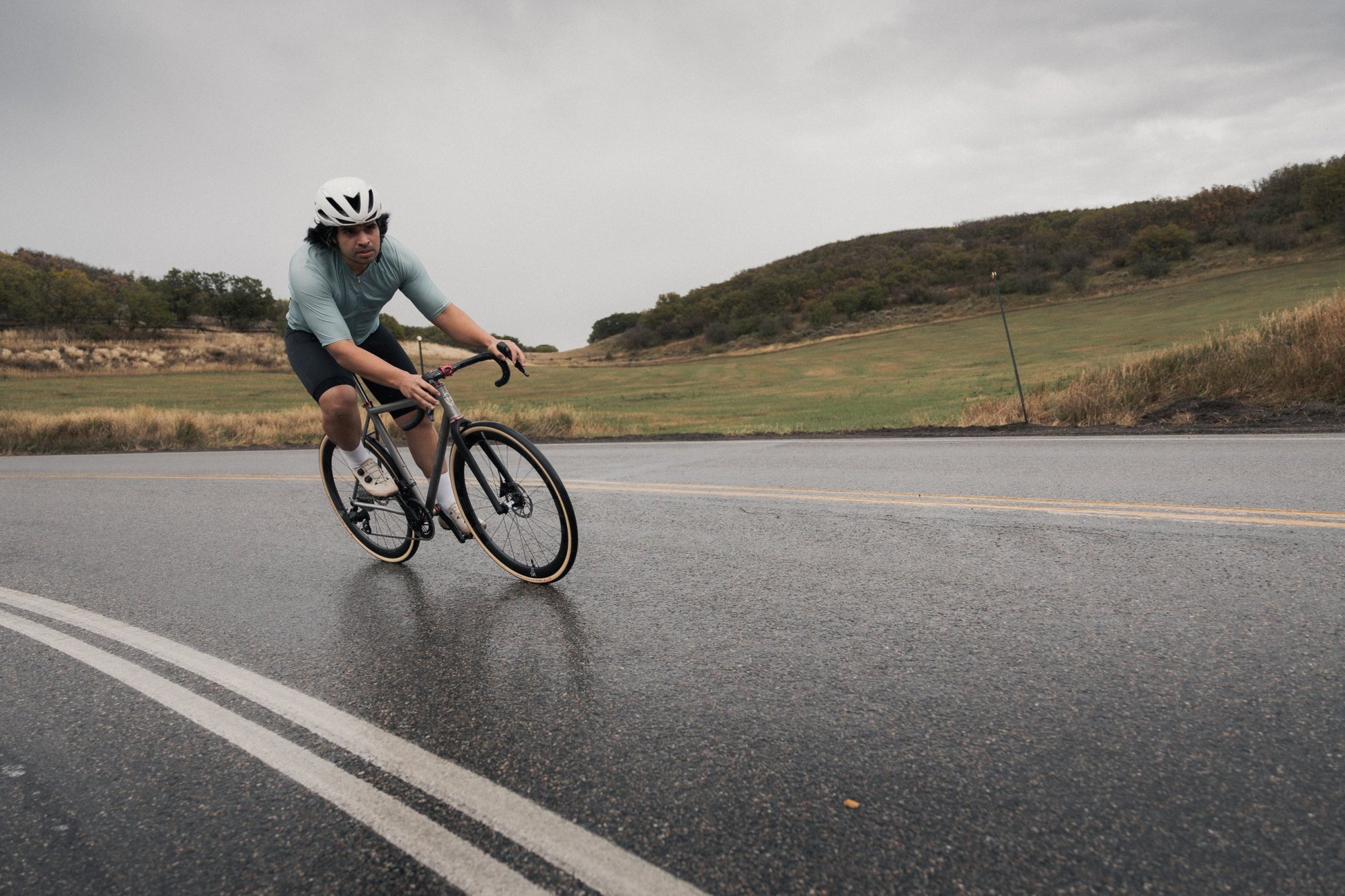
An all-road bike sits between a road bike and a gravel bike. The idea is that you feel at home on tarmac and don't suffer when the road breaks up or a stretch of hard-packed dirt appears. For many people riding in Spain, with battered back roads and tracks linking villages, it's a very sensible approach.
The source doesn't give all the County Line's specifications in its summary, so if you're interested in this particular model, it's worth checking the full spec sheet before drawing conclusions about sizes or price.
If you're looking for a second-hand all-road bike, check this
This move by Moots is also a useful tip for your next purchase: model names don't always tell you what a bike can do. Before paying for a used all-road bike, check:
- Real tyre clearance: check what tyre width fits with room to spare in the fork and stays; don't rely on the model name alone.
- Geometry: an all-road bike is usually a bit more relaxed than a race bike. Look at the stack and reach to see if it suits your position.
- Disc brakes: on mixed terrain they make the difference, especially on descents in the rain.
- Mounts: if you plan to fit mudguards or bags, make sure the frame has somewhere to attach them.
- Gearing: a chainring and cassette that let you get up steep track ramps without burning your legs.
If you're torn between the two families, take a look at both the second-hand road bikes with good tyre clearance and the second-hand gravel bikes with faster geometry: many of them do the all-road job without carrying that label.
A good time to find a new home for your current bike
When brands reorganise their ranges, lots of people think about changing bikes. If your pure road bike falls short on tracks, or your gravel bike feels heavy on tarmac, an all-road bike might be your next step.
And if you make the jump, you can post your bike's listing for free on bicis.net so someone else keeps riding it. That way you fund your new mixed-terrain companion and head straight off to find that road that ends in dirt.
Gallery
Sources for this article
- Original story: Escape Collective · escapecollective.com
Spotted a mistake? Write to us at info@bicis.net and we’ll fix it. Who writes bicis.net and how we work
Comments
What do you think? Create your free account to comment.